Health & Fitness · Mobile app
DawnDash
Mobile app that helps users build a consistent morning running habit in just 10 minutes a day
01Overview
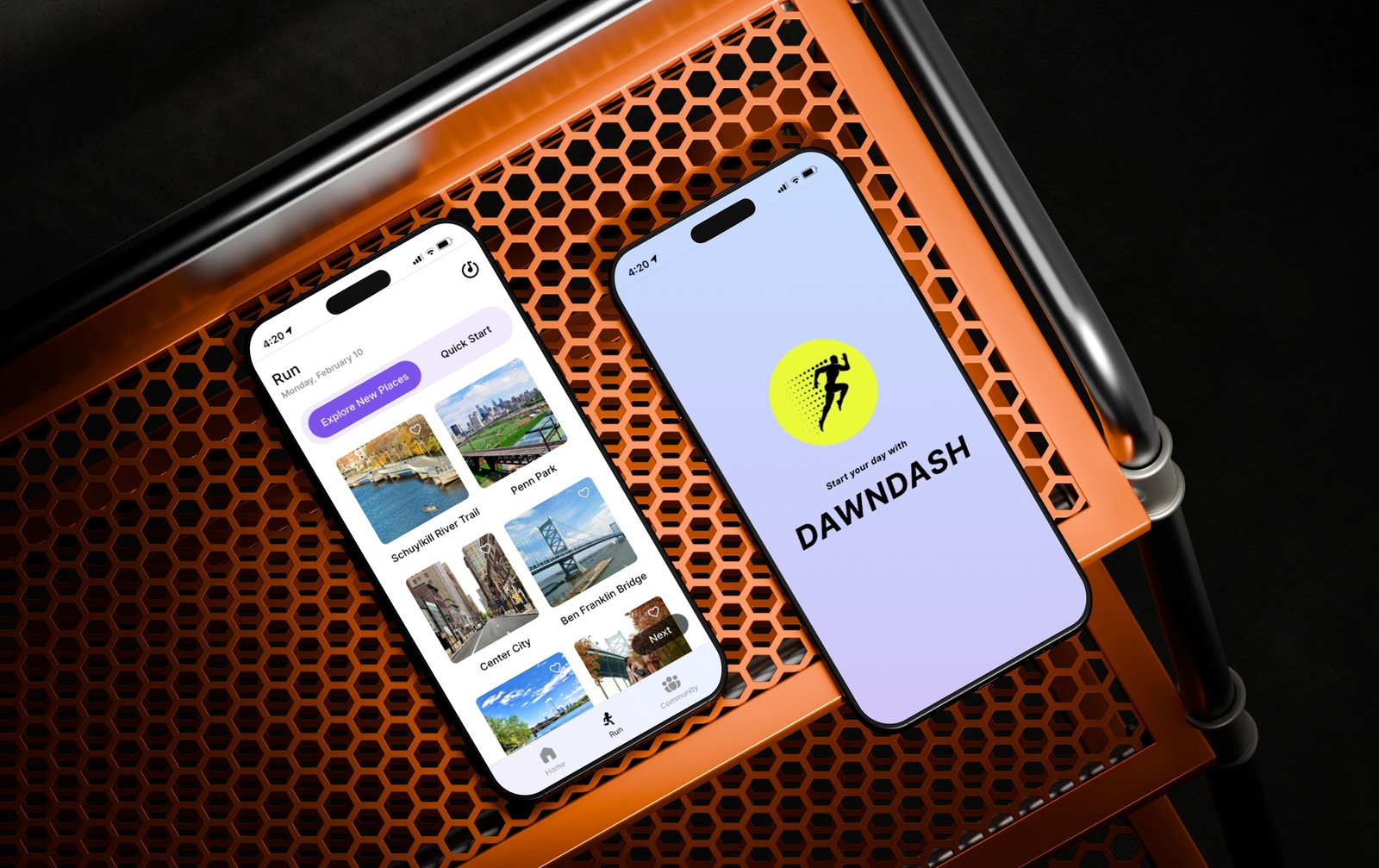
DawnDash is a mobile app that helps users build a consistent morning running habit in just 10 minutes a day. It focuses on habit formation, motivation and ease of use. I aimed for a clean, user-friendly design that keeps things effortless, so running feels achievable and rewarding.
02Challenge
Motivating without overwhelming
The main challenge was making the app motivating yet simple, so users stick with their running routine without feeling overwhelmed. It also had to feel smooth for runners of every level. I had to balance simplicity and motivation carefully to keep users engaged.
03Goal
Project goal
DawnDash aims to help users build a consistent morning exercise habit through a quick 10-minute run, with a focus on habit formation, motivation and daily engagement.
How might we design an engaging and simple 10-minute run experience that helps users boost their energy and form a consistent morning habit?
04Solution
A 10-minute run with rewards
DawnDash motivates users to build a consistent morning exercise habit with a 10-minute run, and uses rewards and points to keep them engaged.
Key features
- 10-minute run sessions
- Progress tracking
- Habit formation
- Easy navigation

Product prototype
- Goal
- To help users establish a daily 10-minute morning run habit
- Key Features Showcased
- Onboarding, progress tracking, and reward system
- User Experience focus
- A simple, intuitive interface built for motivation and ease of use
05Process
Design process

Strategy
- Secondary Research
- Ideation
- Storyboarding

Scope
- Kano Cards
- MoSCoW

Structure
- Information Architecture
- User Flow
- Site Map

Skeleton
- Wireframe
- UI Style Guide

Surface
- High-Fidelity UI Design
- Prototype
- Usability Testing
06Strategy
Secondary research, ideation, storyboarding
Brainstorming with peers
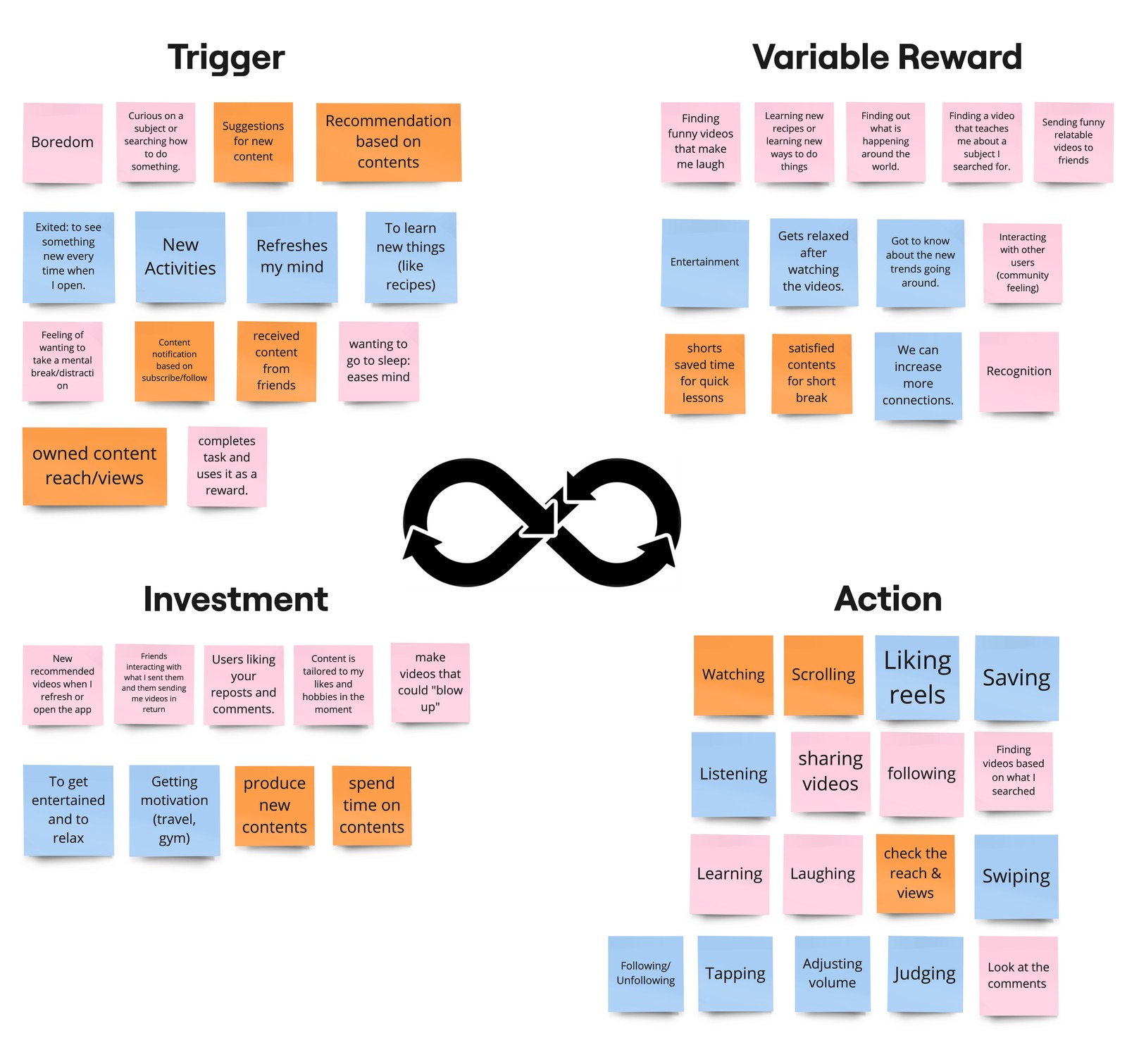
I applied the Hooked Model (Trigger, Action, Variable Reward and Investment) to design a habit-forming app. With my peers, I analyzed common behaviors in similar apps and built an affinity map that connected these stages. This shaped the design around engagement and long-term habit formation.
Storyboarding
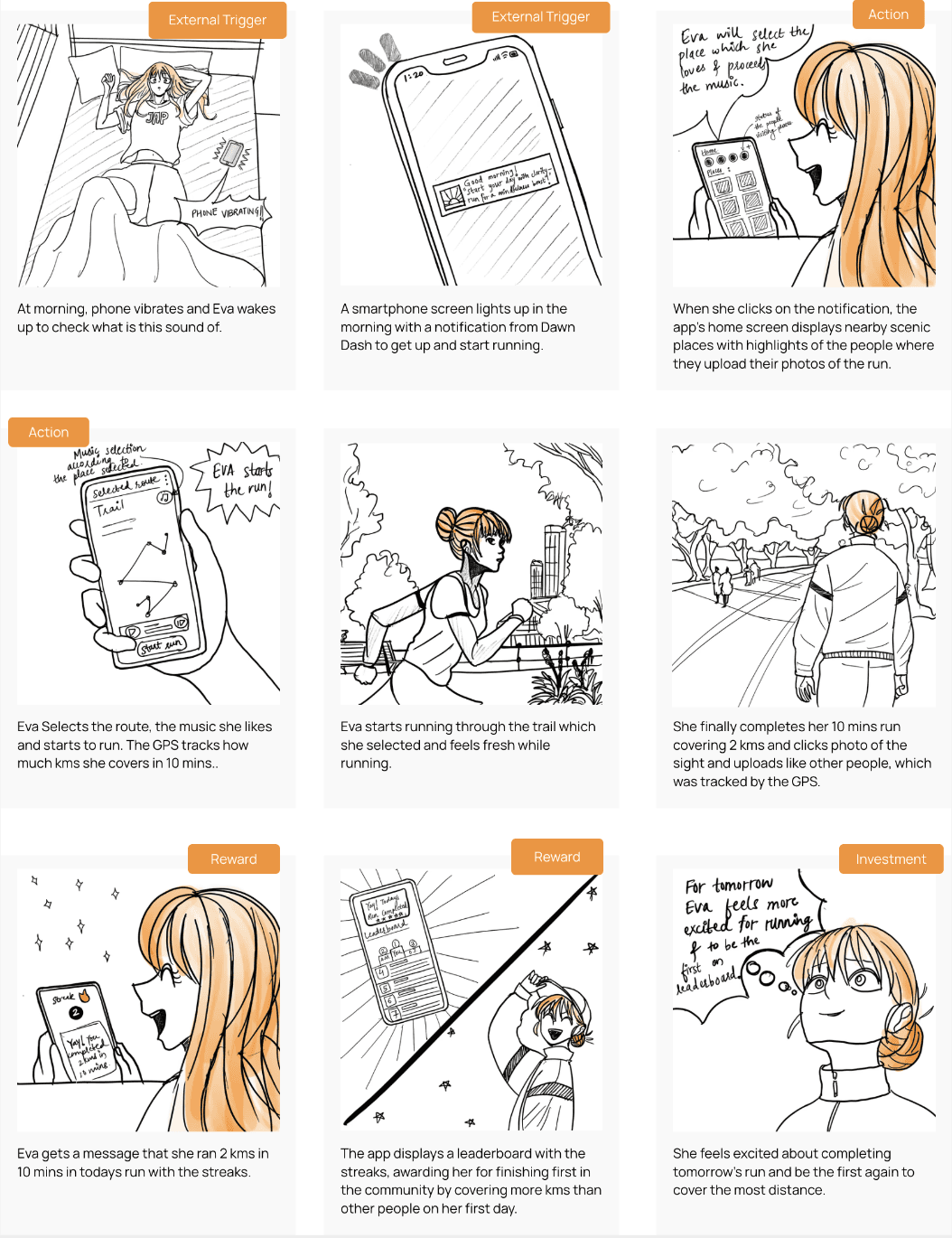
After my secondary research, I created a storyboard to show how users interact with the app and how the Hooked Model (Trigger, Action, Variable Reward and Investment) drives habit formation. Each frame mapped a key moment in the user journey, with long-term engagement in mind.
07Scope
Kano cards, MoSCoW
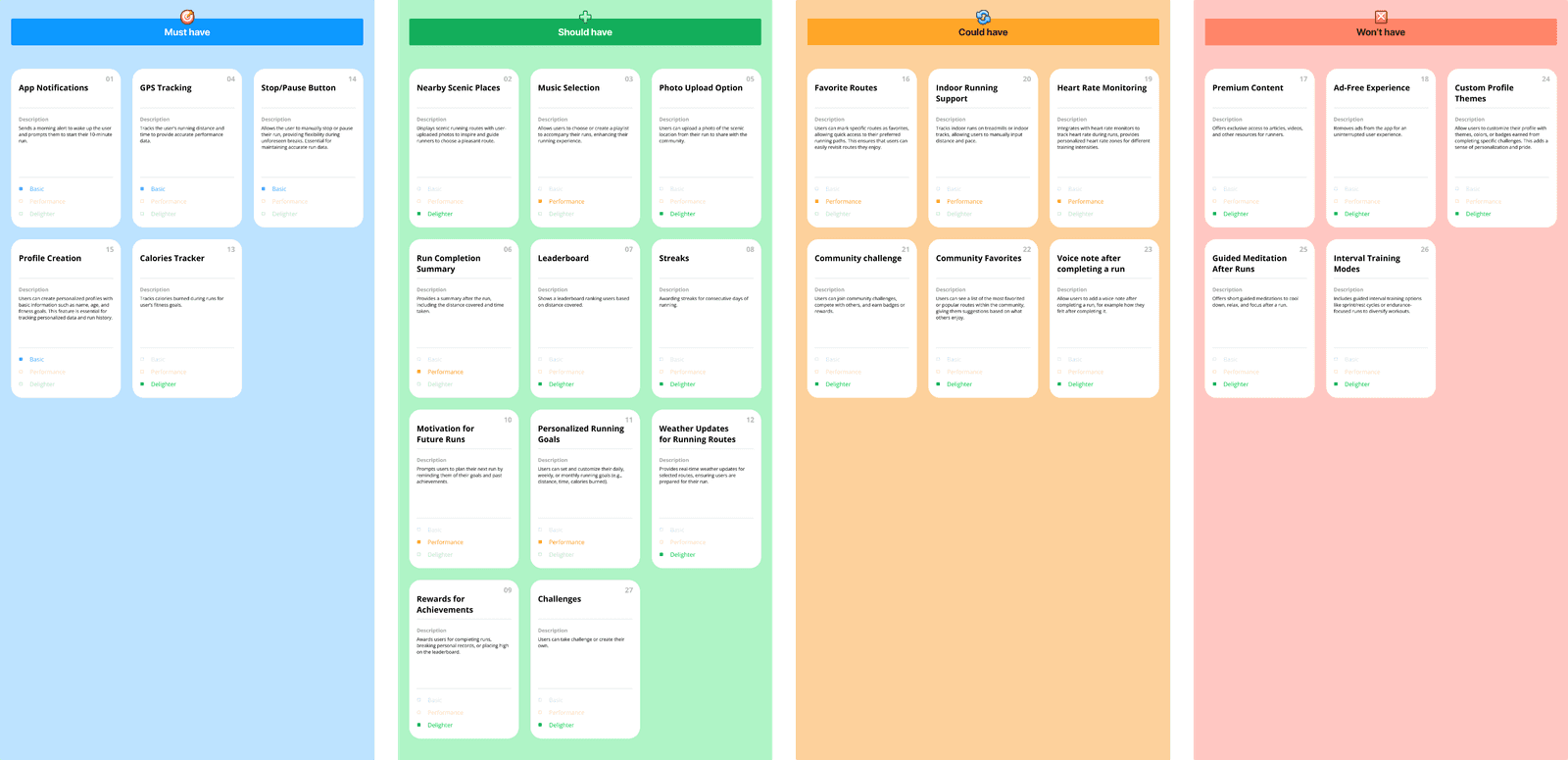
I used MoSCoW analysis to prioritize features for the MVP, focusing on Must-Haves and Should-Haves to cover the core functionality. I set Could-Haves aside for future updates and dropped Won’t-Haves to keep the design focused.
08Structure
User flow
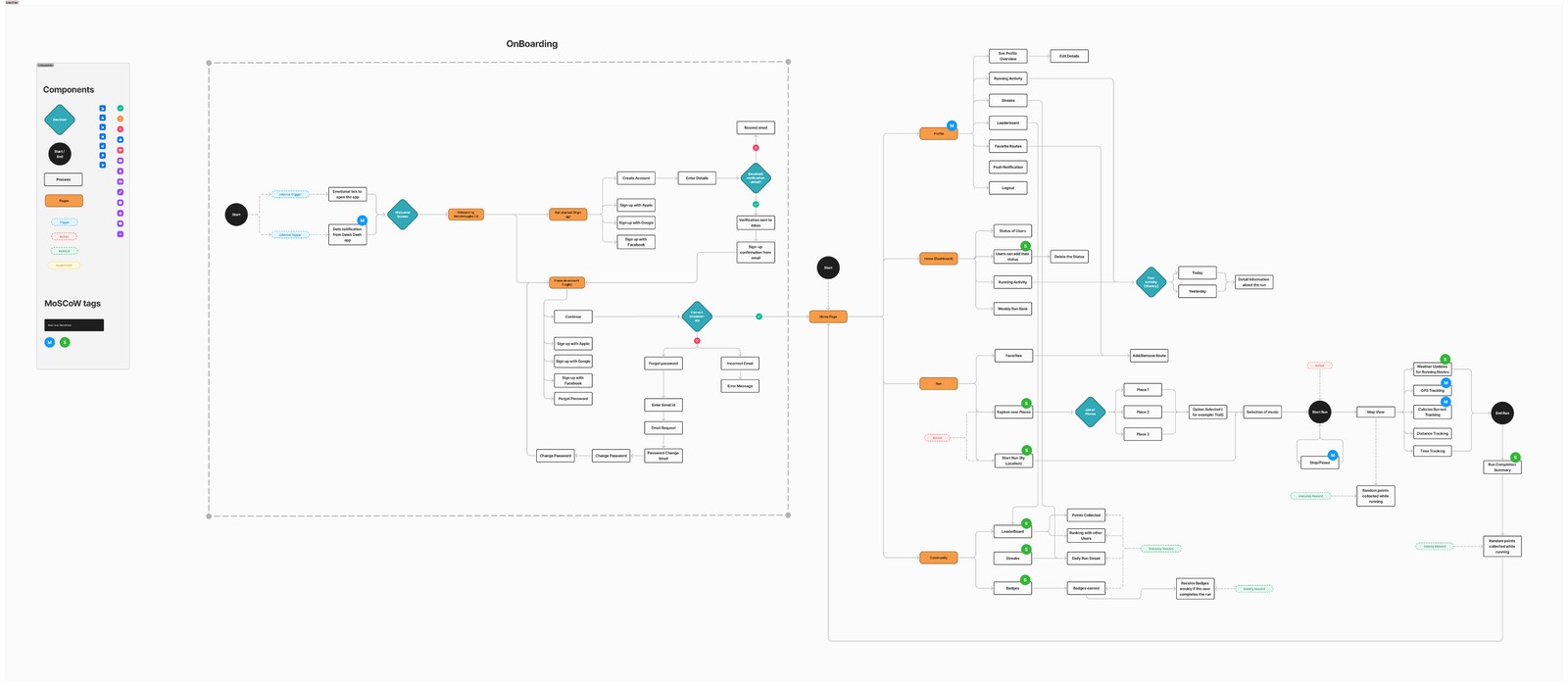
I mapped the user flow to see how people move through the app, trace their journey and spot friction points early.
09Skeleton
Wireframes and UI style guide
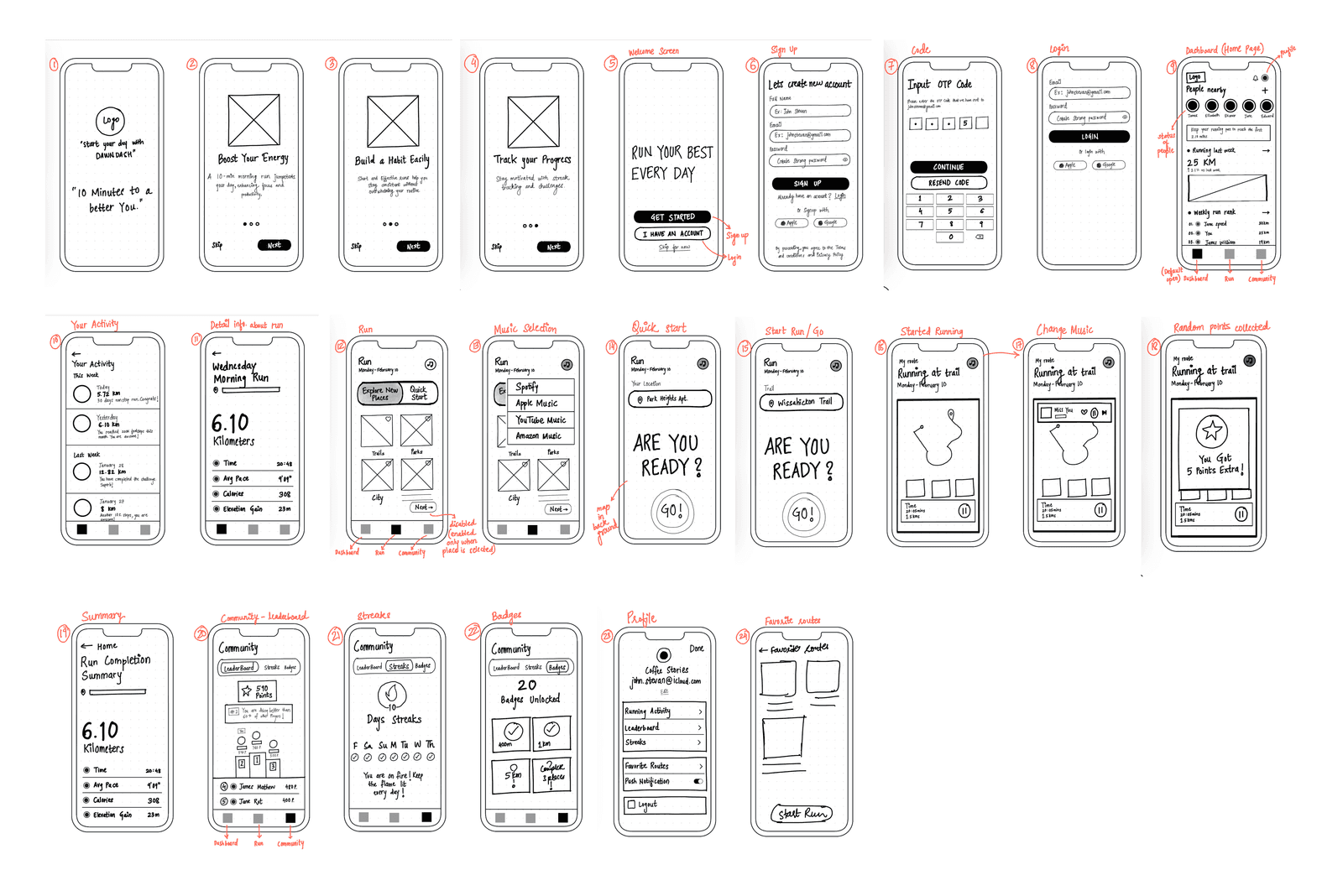
Wireframes
Style guide
10Surface
High-fidelity designs
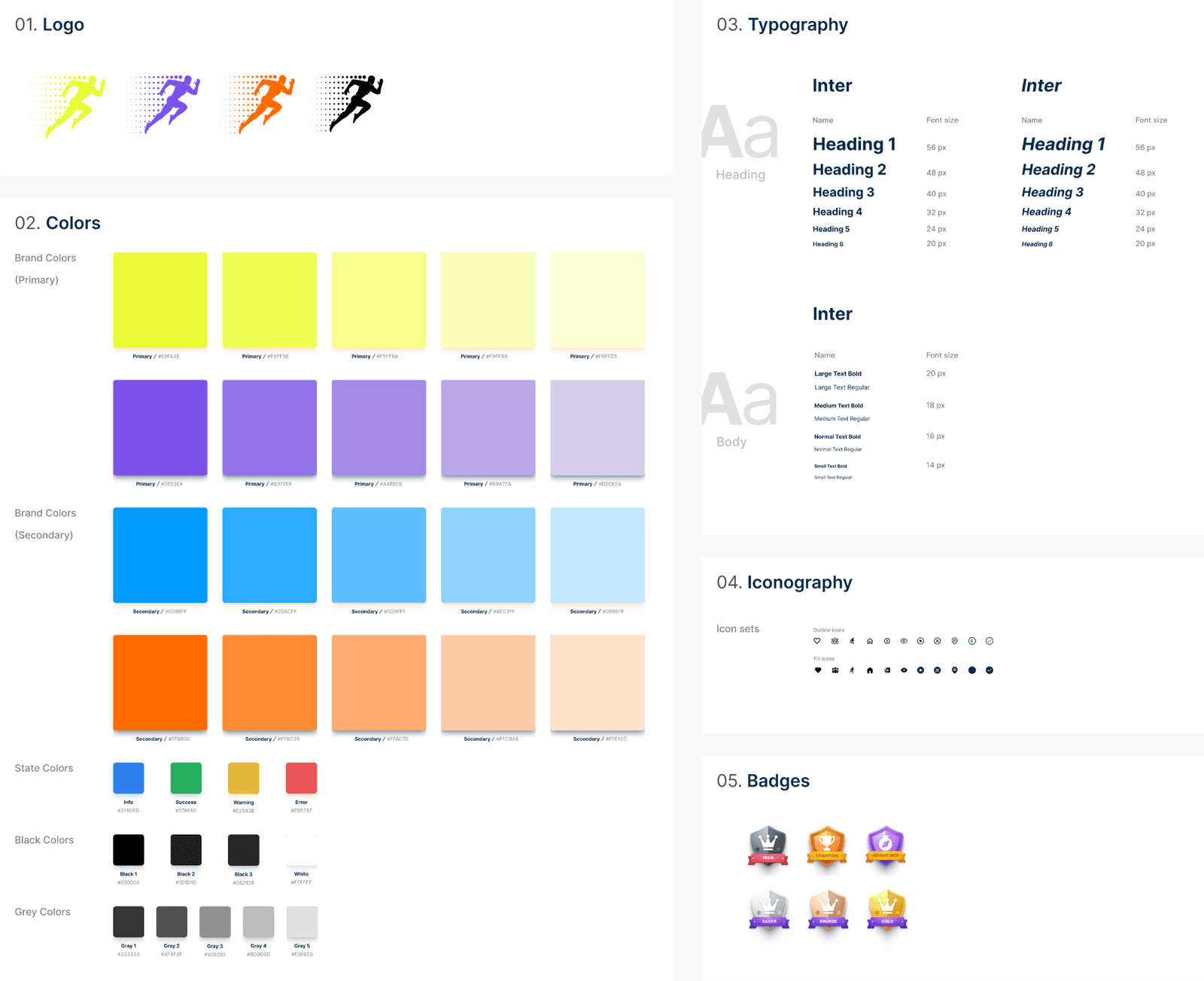
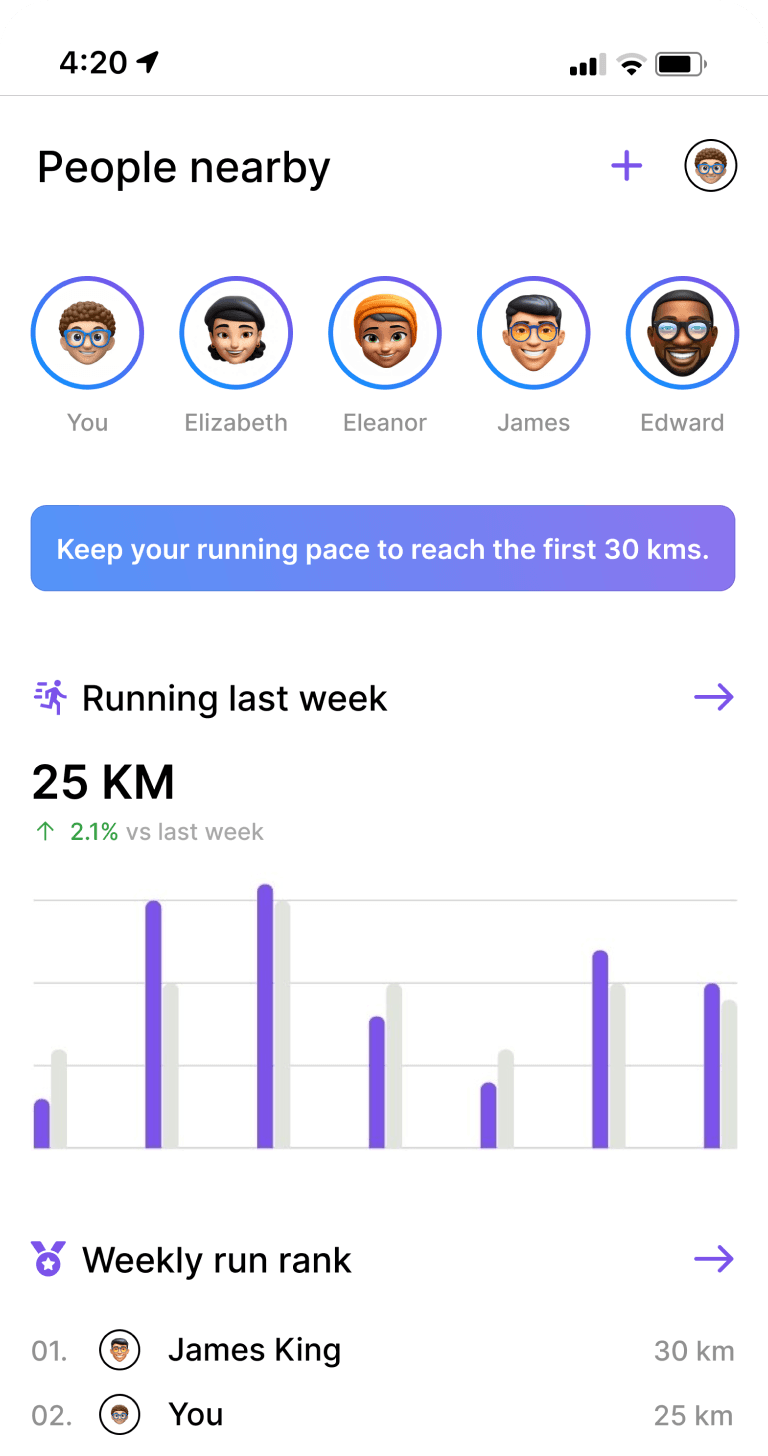
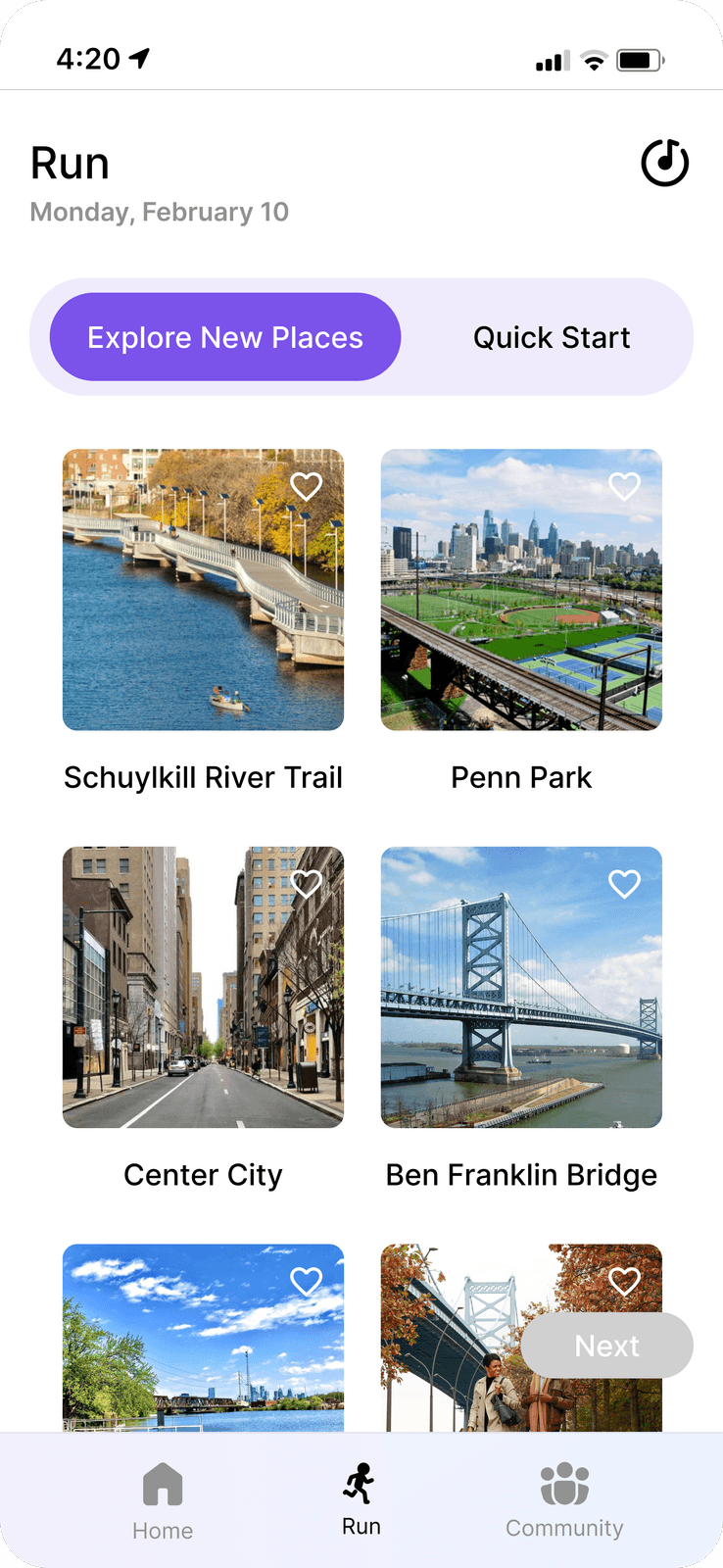
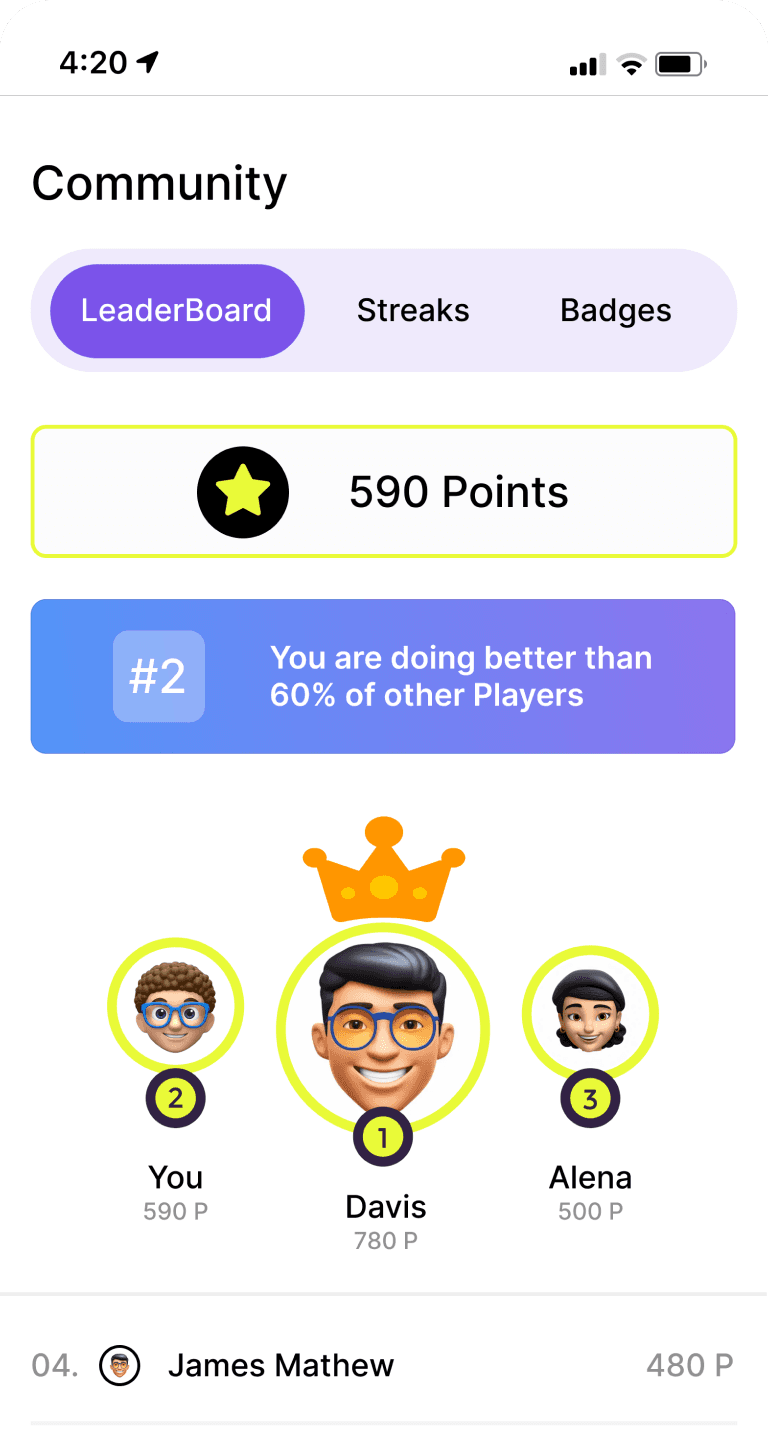
The high-fidelity designs bring DawnDash’s final visuals and interactions to life, with refined typography, color and detailed components. The screens show the core features with a focus on clarity, engagement and easy navigation.
11Impact
Results
- Made running feel more achievable by reducing it to a simple, 10-minute daily activity.
- Lowered the barrier to starting, helping users build consistency in their morning routine.
- Improved user motivation through a clean, distraction-free and encouraging experience.
- Encouraged habit formation by focusing on small, repeatable actions rather than intense workouts.
12Takeaways
What I learned
- Applying the Hooked Model helped design an experience that encourages long-term user engagement.
- MoSCoW analysis kept the MVP focused on essential features, simplifying development while leaving room for future improvements.
- Mapping user flows and screen flows early helped refine navigation and smooth out the experience.
- A polished UI with clear visual hierarchy and intuitive interactions makes the experience engaging and easy to use.